 Door-O-Matic
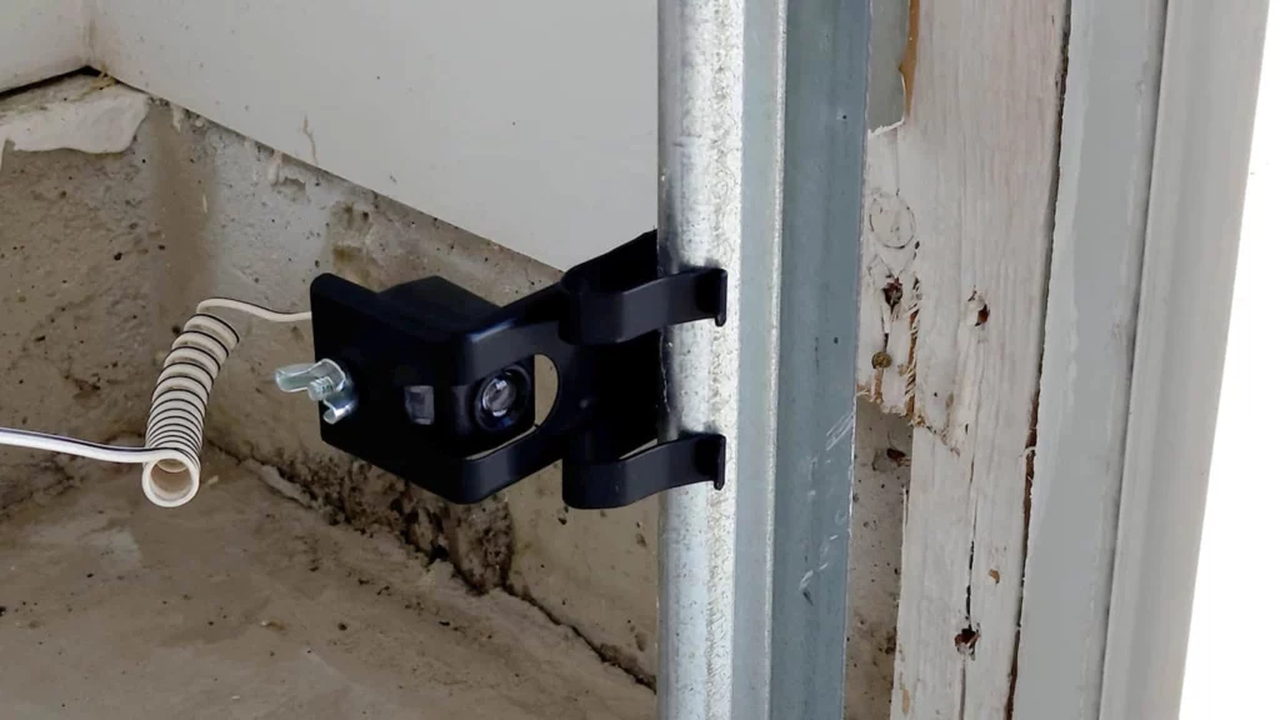
If your garage door starts closing but suddenly reverses, refuses to move downward, or only closes under certain conditions, garage door sensor repair may be worth considering. Safety sensors are an important part of many automatic garage door opener systems because they help detect objects in the path of a closing door.
However, a door that will not close does not automatically mean the sensors need replacement. An obstruction, alignment issue, damaged component, wiring problem, or another part of the opener system may be responsible.
For homeowners dealing with an unreliable garage door, Door-O-Matic Garage Door Services provides professional garage door repair and maintenance support in New Jersey.
How Garage Door Safety Sensors Affect Closing
Safety reversing sensors are typically positioned near the bottom of the garage door opening and face each other across the doorway. On compatible systems, they create a monitored path that helps the opener detect an obstruction before the door finishes closing.
LiftMaster's installation guidance, for example, specifies that its safety reversing sensors should face each other across the garage door and be positioned no higher than six inches above the floor. Exact installation requirements can vary by opener model, so manufacturer instructions should always be followed.
The U.S. Consumer Product Safety Commission also notes that automatic residential garage door operators are subject to the mandatory federal safety standard in 16 CFR Part 1211.
Because these sensors are part of an important safety system, repeated closing problems deserve attention rather than being ignored or bypassed.
When Garage Door Sensor Repair Becomes Necessary
One of the clearest warning signs is a garage door that begins closing and then returns to the open position.
The first step is to look for an obvious obstruction. Boxes, tools, bicycles, leaves, or other objects can interrupt the sensor path. If the area is clear and the problem continues, another issue may be affecting the system.
Sensor alignment can also matter. LiftMaster provides specific guidance for aligning safety reversing sensors and notes that alignment troubleshooting may be necessary when the system does not operate correctly.
If repeated adjustments or basic checks do not restore normal operation, professional diagnosis can help determine whether the sensors themselves or another garage door component is responsible.
Misaligned Sensors Can Interrupt Normal Operation
Two safety sensors need to communicate correctly with each other for the system to function as designed.
A sensor can sometimes be bumped while moving storage, cleaning the garage, or performing other work near the door. Even a small change in position may affect alignment on certain systems.
Indicator lights can provide useful information, but their meaning depends on the opener manufacturer and model. Homeowners should consult the owner's manual instead of assuming every sensor uses the same light pattern.
Chamberlain states that some of its safety sensor systems must be connected and correctly aligned before the opener will move the garage door in the downward direction.
This is why a door that opens normally but will not close can sometimes point homeowners toward the safety sensor system.
Dirt or Physical Obstructions Can Affect the Sensor Path
A sensor does not always need replacement simply because the garage door stops closing.
Dust, debris, or an object positioned directly between the sensor eyes may interrupt operation. Before scheduling service, homeowners can visually inspect the area and make sure nothing is obviously blocking the path.
The sensor lenses should also be kept clean according to the manufacturer's instructions. Avoid making electrical changes or bypassing the safety system in an attempt to force the door to close.
If the problem returns soon after the area is cleared, the issue may involve alignment, wiring, sensor hardware, or another part of the opener.
Sunlight Can Affect Some Garage Door Sensors
Environmental conditions can occasionally contribute to sensor problems.
For example, Chamberlain offers a safety sensor sun-blocker accessory for compatible systems specifically designed to shield direct sunlight and help prevent accidental door reversal caused by sunlight reaching the safety reversing sensors.
That does not mean sunlight causes every intermittent sensor issue. However, if a garage door closes normally at certain times of day and has difficulty at others, the pattern can be useful information to share with a technician.
Professional troubleshooting can separate an environmental issue from a sensor or wiring failure.
Damaged Wiring Can Look Like a Sensor Problem
Sensors also depend on their connection to the garage door opener.
If wiring becomes loose, pinched, damaged, or disconnected, the safety system may not communicate properly. From the homeowner's perspective, the symptom can look similar to sensor misalignment.
This is another reason visual troubleshooting has limits.
A technician can evaluate the complete system rather than replacing parts based only on symptoms. Door-O-Matic's Garage Door Repair Services are positioned around professional diagnosis and comprehensive garage door repairs, with same-day service among the benefits currently listed by the company.
The Problem May Not Be the Sensor at All
A garage door that refuses to close can have several possible causes.
The opener, door travel settings, tracks, hardware, electrical connections, or door movement can sometimes produce symptoms that homeowners associate with a sensor failure.
That is why replacing sensors without confirming the cause may not solve the problem.
Professional diagnosis looks at how the door, opener, sensors, and mechanical system work together. If the sensor is operating correctly, attention can shift toward other components instead of replacing functioning equipment.
This approach is especially useful when the door has several symptoms at once, such as unusual noises, slow movement, inconsistent response, or reversing during operation.
Why Professional Garage Door Sensor Repair Matters
Safety sensors are not simply convenience features. They are connected to the safety-reversal functions of automatic garage door systems.
The CPSC's federal requirements for automatic residential garage door operators address entrapment protection, while manufacturer documentation provides model-specific installation and testing procedures.
For that reason, homeowners should avoid disabling, bypassing, or permanently repositioning safety devices simply to make a garage door close.
If cleaning the area and checking for an obvious obstruction do not solve the problem, professional garage door sensor repair or system diagnosis is the safer next step.
Sensor Problems Can Also Signal a Need for Maintenance
Sensor issues can appear alongside other signs of garage door wear.
Tracks may need attention. Hardware can loosen. Rollers and springs experience repeated movement, while opener and safety components need to continue communicating correctly.
Routine maintenance provides an opportunity to identify those changes before they become larger operational problems.
Door-O-Matic offers Garage Door Maintenance Plans focused on equipment lifespan, safety and security, cost savings, performance, and reliability.
This preventive approach can be especially useful when a garage door serves as a primary entrance and operates several times each day.
Do Not Ignore a Garage Door That Keeps Reversing
An occasional closing interruption caused by an object in the doorway can be easy to identify. Repeated reversals without a visible obstruction are different.
If the sensors appear damaged, will not remain aligned, show persistent warning indicators, or the garage door repeatedly refuses to close, the system should be inspected.
The objective is not simply to force the door closed. It is to identify why the safety system is preventing normal operation.
A correct diagnosis can determine whether the solution involves alignment, wiring, sensor replacement, opener service, or another garage door component.
Have a question about your garage door?
Talk to an expertMore from the Door-O-Matic blog
Garage door opener repair: signs your opener needs professional service
Learn the warning signs that indicate your opener, sensors, remote, or door system may need professional service.
Emergency garage door repair: signs you need help fast
Not every garage door problem can wait for a scheduled appointment. Here's how to tell the difference — and what to do while you wait for help.