 Door-O-Matic
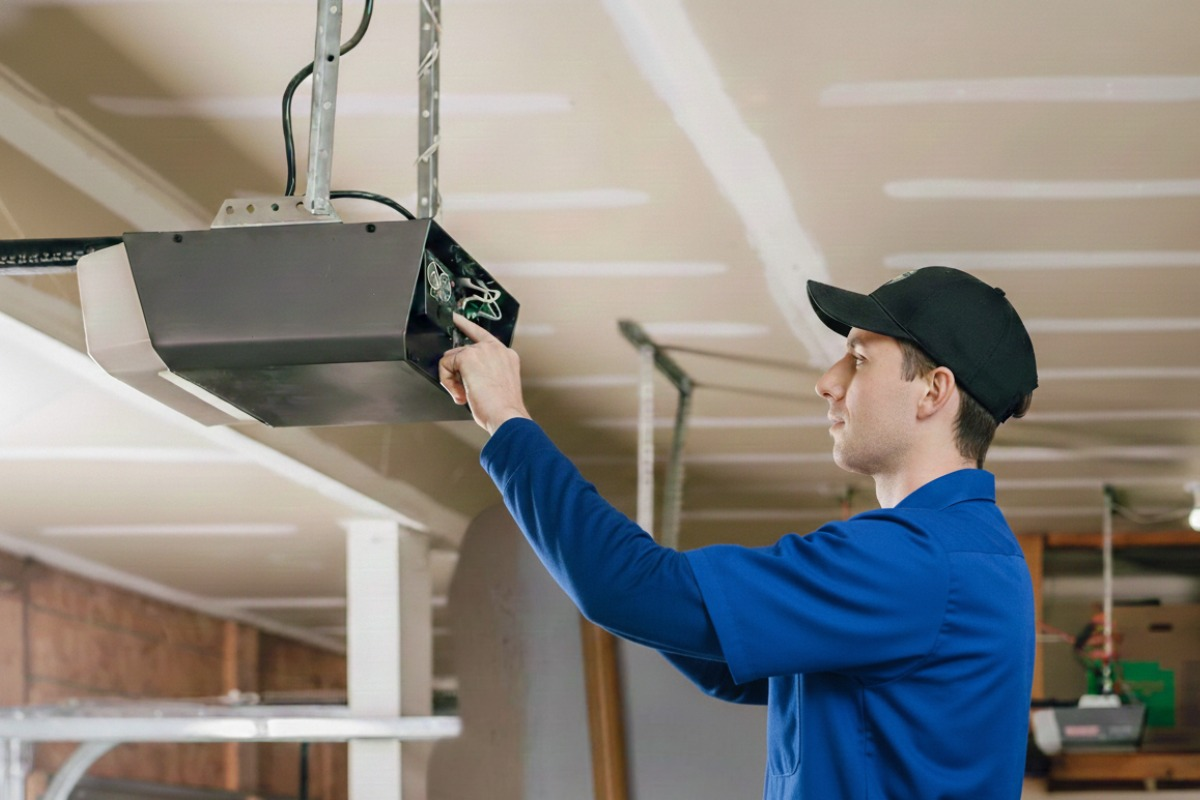
A reliable garage door opener makes everyday access simple, but problems can develop gradually. Slow response, inconsistent movement, unusual sounds, or a door that suddenly refuses to operate may indicate that garage door opener repair is needed.
The challenge is knowing whether the issue is a simple remote-control problem or a sign that the opener system needs professional attention. Garage door openers work together with sensors, tracks, springs, door balance, electrical components, and access controls. A problem in one area can affect how the entire system operates.
For homeowners experiencing ongoing problems, Door-O-Matic Garage Door Services provides professional garage door repair and related services throughout New Jersey.
When Garage Door Opener Repair Is More Than a Simple Fix
Not every opener problem means that the motor has failed. Sometimes, a dead remote battery, interrupted power supply, or blocked sensor can prevent the door from responding correctly.
However, repeated failures deserve closer attention. If the door only works occasionally or requires several attempts to open, the problem may involve more than a quick adjustment.
The U.S. Consumer Product Safety Commission explains that automatic residential garage door operators are subject to the federal safety requirements of 16 CFR Part 1211. These requirements address safety features designed to reduce entrapment hazards. Homeowners can review additional information through the U.S. Consumer Product Safety Commission.
Because the opener is connected to important safety systems, persistent operating problems should not simply be ignored.
The Opener Responds Slowly or Inconsistently
One of the earliest warning signs is delayed operation.
You may press the remote and notice a pause before the door starts moving. In other cases, the opener might work correctly in the morning but struggle later in the day.
Intermittent problems can come from several areas. Remote communication, electrical connections, opener components, sensors, or the garage door itself can all influence performance.
If changing the remote battery does not solve the problem, professional diagnosis can help determine what is actually causing the inconsistent response.
The Motor Runs but the Garage Door Does Not Move
Hearing the opener motor without seeing the door move is another sign that something needs attention.
The opener may be activating while another component prevents the system from lifting the door correctly. Door balance, springs, drive mechanisms, and other hardware all work together during operation.
This is an important distinction. The apparent opener problem may actually originate somewhere else in the garage door system.
Door-O-Matic provides Garage Door Repair Services that can help identify whether the problem involves the opener or another part of the door system. The company currently lists services such as torsion spring replacement, remote programming, seal replacement, and same-day repair support.
Your Garage Door Opener Makes New or Unusual Sounds
Garage door openers naturally produce some sound during operation. New grinding, rattling, humming, or repetitive clicking deserves attention.
Changes in sound can indicate increased resistance or wear somewhere in the system. The opener may also be working harder because the door is no longer moving as smoothly as it should.
Instead of focusing only on the motor, a technician can evaluate how the opener and door interact. That broader inspection can help locate the actual source of the noise.
The Door Starts Closing and Suddenly Reverses
Automatic reversal is an important garage door safety function. If the door begins closing and repeatedly returns to the open position, first check whether anything is blocking the sensor area.
Dirty or obstructed sensors can interfere with normal operation. However, repeated reversing after the area has been cleared may point to a sensor, alignment, adjustment, or system problem.
DASMA advises homeowners to check the operation of the garage door and opener and emphasizes proper installation, operation, maintenance, and testing for safe use. Its garage door opener safety guidance also recommends following the specific instructions provided by the opener manufacturer.
A door that repeatedly reverses should not be forced to close without understanding the cause.
The Remote or Keypad No Longer Works Reliably
Sometimes the garage door itself operates normally from the wall control, but the remote or keypad becomes unreliable.
Start with basic checks such as replacing batteries and confirming that the device has power. If multiple controls stop responding or programming problems continue, professional help may be useful.
Access issues become especially important when a remote has been lost, a homeowner recently moved into a property, or existing controls need to be updated.
Door-O-Matic offers remote programming and locking solutions alongside its garage door repair services, providing another option when the problem involves access rather than the door itself.
The Opener Works Harder Than It Used To
A garage door opener should work with a properly balanced door. It should not be responsible for overcoming excessive resistance from a heavy or poorly operating system.
If the opener seems strained, moves the door more slowly, or sounds different under load, another component may be contributing to the problem.
Springs, rollers, tracks, and general door balance all affect movement. This is why replacing an opener without inspecting the door itself may not address the underlying issue.
DASMA recommends regular safety checks and maintenance for garage door systems, along with periodic professional attention to help keep the system operating safely and smoothly.
Why Professional Garage Door Opener Repair Matters
Modern garage door openers combine mechanical movement with electrical components and safety systems. Diagnosing the problem requires understanding how those elements interact.
Professional garage door opener repair can help determine whether the issue comes from the opener, sensors, access controls, door balance, springs, tracks, or another component.
This approach avoids assuming that every opener problem requires replacement. In some cases, an adjustment or repair may restore normal operation. In others, the condition of the system may justify discussing replacement options.
The goal is to identify the cause before making a larger decision.
Maintenance Can Help Catch Opener Problems Earlier
Waiting until the garage door stops working completely can turn a developing problem into an inconvenient service call.
Routine maintenance gives technicians an opportunity to evaluate door movement, hardware, safety systems, and opener performance before obvious failure occurs.
Door-O-Matic offers Garage Door Maintenance Plans designed to support equipment lifespan, safety, performance, and reliability.
For homeowners who use the garage as a primary entrance, keeping the system dependable can make a noticeable difference in daily convenience.
Know When It Is Time to Schedule Service
A single delayed response does not always signal a serious problem. Repeated failures are different.
Consider scheduling professional service when the opener:
- Works only intermittently
- Produces new or unusual sounds
- Activates without moving the door
- Opens or closes significantly slower than before
- Repeatedly reverses while closing
- Stops responding to properly powered controls
- Appears to struggle while lifting the door
These symptoms can have different causes, which is why diagnosis matters.
Ignoring them may allow an existing mechanical or electrical issue to continue developing.
Have a question about your garage door?
Talk to an expertMore from the Door-O-Matic blog
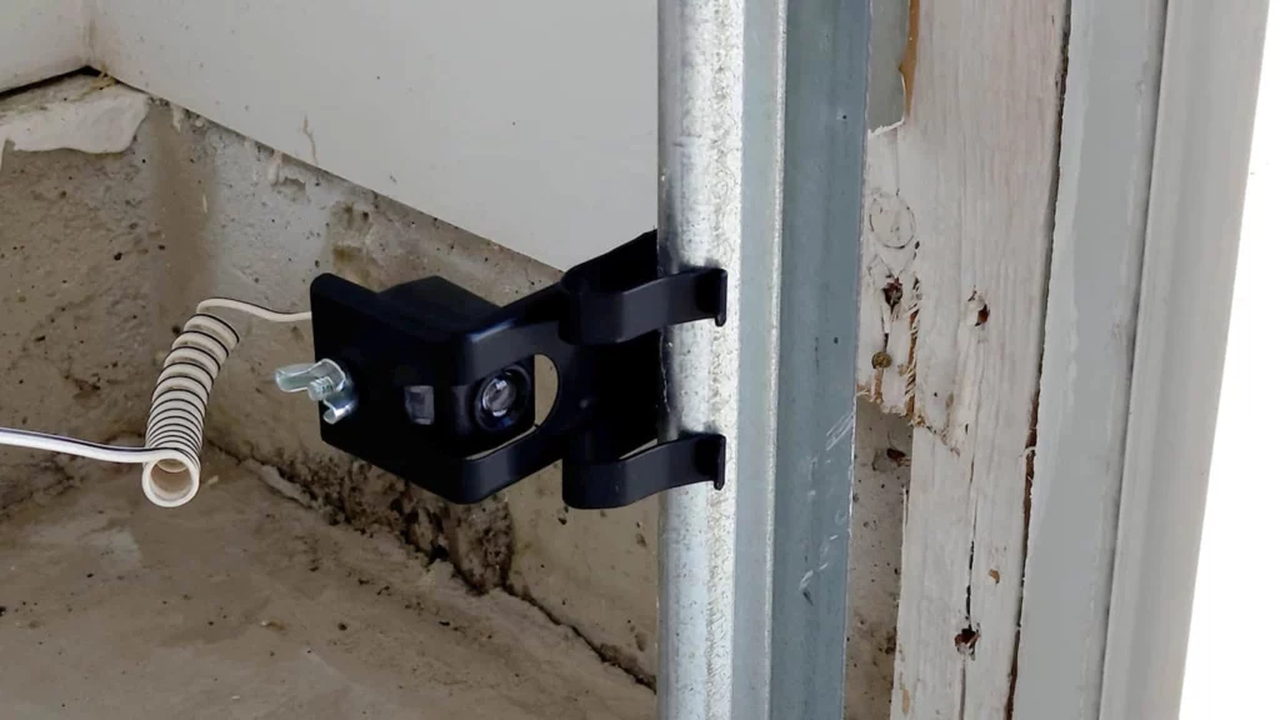
Garage door sensor repair: why your door won't close properly
Learn why safety sensors can keep your door from closing and when professional service is the right next step.
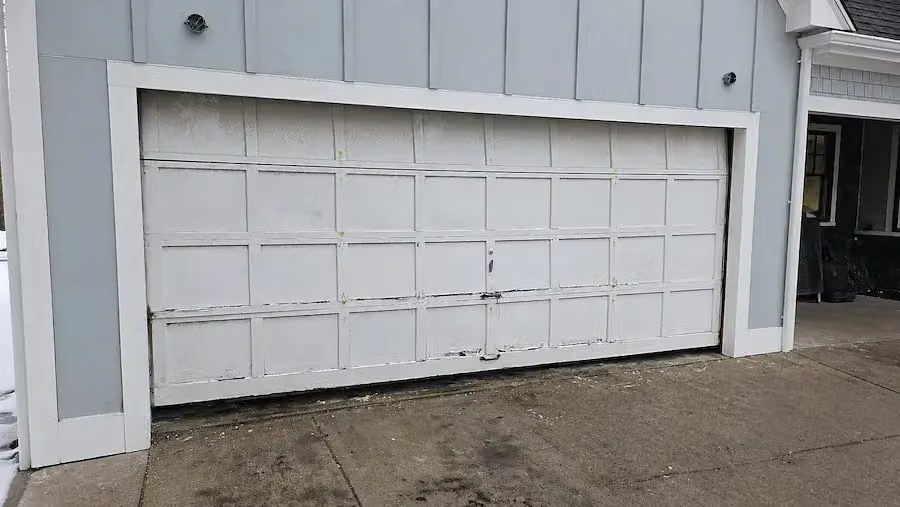
Signs you need garage door repair before the problem gets worse
Most garage door breakdowns don't happen without warning. Here's what to watch for before a small issue turns into an expensive, or dangerous, repair.