 Door-O-Matic
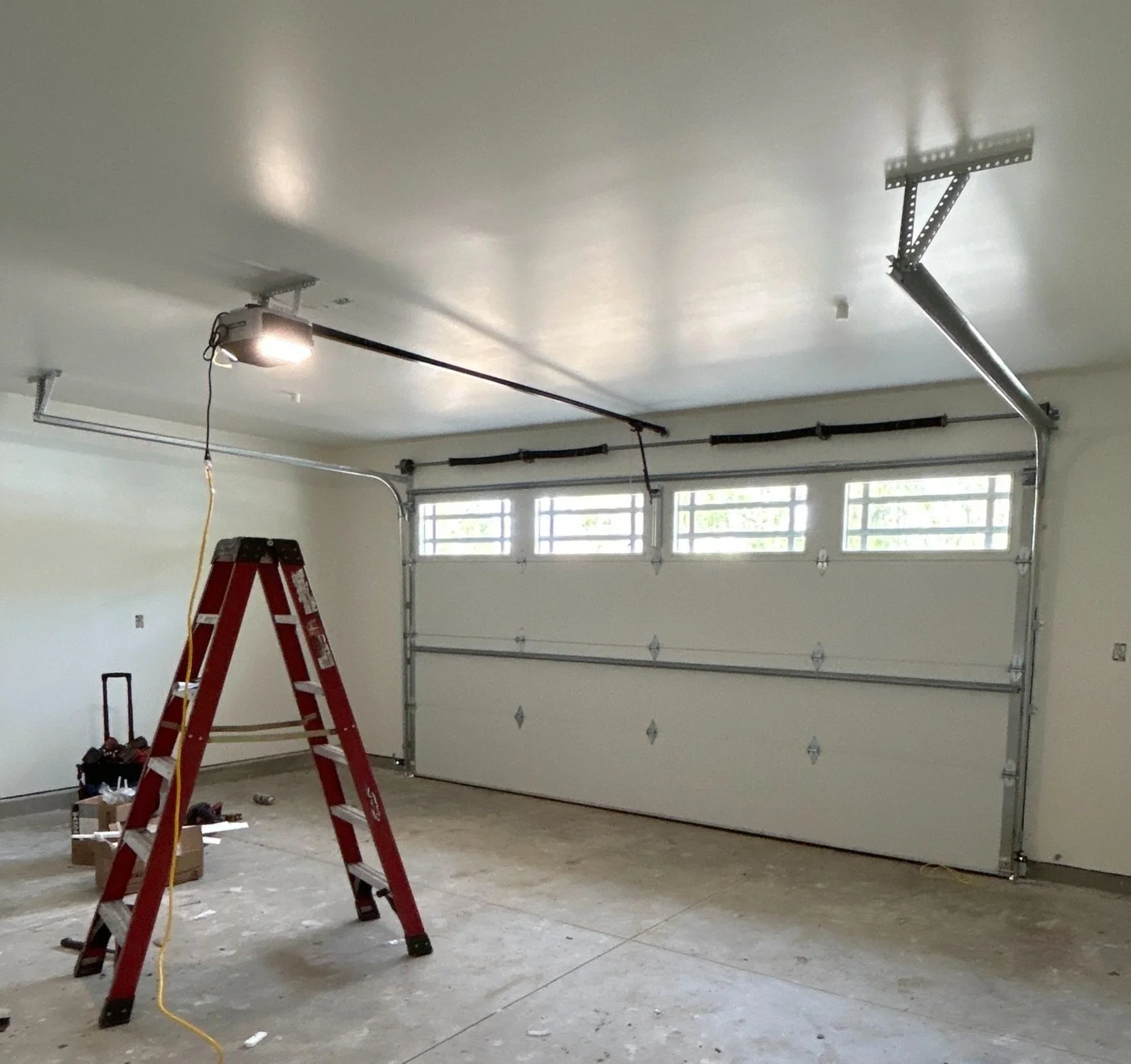
Professional garage door installation involves much more than placing a new door into an existing opening. The door, tracks, hardware, springs, opener, and safety components must work together as one complete system.
For homeowners, understanding the installation process can make planning a replacement easier. It also helps explain why measurements, proper setup, balance, and final testing matter before a new garage door is placed into regular use.
Door-O-Matic Garage Door Services provides professional garage door installation and replacement services in New Jersey, along with repair, maintenance, and access solutions. Its installation service emphasizes skilled technicians, reliable replacement, warranty-backed service, and convenient local support.
Garage Door Installation Starts With an Initial Assessment
Before physical installation begins, the existing garage door system needs to be evaluated.
A professional technician can review the opening, current door, tracks, opener, springs, and surrounding structure. This first stage helps determine what can remain and what may need replacement as part of the project.
Measurements are especially important. The new door must match the garage opening and work correctly with the hardware designed for the selected system.
This is also the time to identify issues that could affect installation. Damaged tracks, an aging opener, deteriorated hardware, or an uneven opening may require additional attention.
Door-O-Matic offers dedicated Garage Door Installation and Replacement services for homeowners considering a new garage door or replacing an existing system.
Preparing the Garage for the New Door
Once the project has been assessed, the work area needs to be prepared.
Vehicles, storage boxes, tools, and other belongings should be moved away from the garage door area. Installers need enough room to safely remove components and work around the door opening.
If an existing garage door is being replaced, the old system must also be handled carefully. Garage doors include components that may be under significant tension.
DASMA explains that proper installation, operation, maintenance, and testing are necessary for safe garage door operation. It also warns homeowners to keep hands and fingers away from springs, tracks, hinges, and other moving parts.
For that reason, removing a door is not simply a demolition project. Components need to be handled in the correct sequence and with appropriate tools.
Removing the Existing Garage Door System
For a replacement project, the old door generally needs to come out before the new system can be installed.
This may involve removing panels, disconnecting hardware, and evaluating whether tracks or other components will also be replaced.
Springs deserve particular attention because they help counterbalance the weight of the door. Homeowners should not attempt to loosen or remove high-tension components without the appropriate training and equipment.
A professional installation keeps removal and new setup within the same controlled process. That makes it easier to identify worn components before they are carried over into the new system.
Installing the New Door Panels and Hardware
Once the opening is ready, installation of the new door can begin.
Depending on the door system, panels or sections are positioned and connected with the appropriate hardware. Tracks, rollers, hinges, brackets, and related components must then work together to guide the door correctly.
Alignment matters throughout this stage. Even a new door may operate poorly if the tracks or hardware are not positioned correctly.
The goal is not simply to make the door move. It should open and close smoothly without unnecessary resistance, binding, or uneven movement.
This is one of the key differences between professional garage door installation and treating the project as a basic home improvement task.
Setting Up the Spring and Counterbalance System
Garage doors can be heavy, but the opener should not carry that weight by itself.
The spring and counterbalance system helps support the door during opening and closing. Proper setup allows the door to move more smoothly while reducing unnecessary strain on other components.
Because springs operate under tension, this stage requires particular care. DASMA identifies springs and other garage door hardware as components that require appropriate inspection and maintenance for safe operation.
After installation, technicians can evaluate door balance and movement before the automatic opener is relied upon for everyday use.
Checking Garage Door Opener Compatibility
A new garage door does not automatically mean the existing opener must be replaced. However, the opener should be evaluated as part of the installation.
The technician may consider how the opener interacts with the weight, movement, and configuration of the new door.
An aging or malfunctioning opener can affect the performance of an otherwise properly installed garage door. On the other hand, a compatible opener that remains in good condition may continue to serve the system.
Automatic residential garage door operators are also subject to federal safety requirements. The U.S. Consumer Product Safety Commission states that these operators must comply with the mandatory safety standard in 16 CFR Part 1211.
That makes opener and safety-system testing an important part of the overall installation process.
Testing Sensors and Safety Functions
Once the mechanical parts are operating correctly, the automatic system needs to be checked.
Safety sensors should be positioned and functioning as intended. The opener should respond properly to controls, and the door should complete its movement without unexpected interruptions.
The automatic reversal system is particularly important because it is designed to reduce entrapment hazards associated with closing garage doors. Federal requirements for automatic residential garage door operators address these safety protections.
Professional testing helps confirm that the new door and opener are working together rather than functioning as separate components.
Fine-Tuning Door Movement
The first movement of a newly installed garage door is not necessarily the end of the job.
A technician may need to make adjustments after watching how the door opens and closes. Track alignment, spring balance, hardware positioning, opener settings, and other components can influence overall performance.
The finished door should move smoothly and consistently.
Unexpected shaking, excessive resistance, uneven movement, or unusual sounds can indicate that another adjustment is necessary before installation is considered complete.
Reviewing Remotes and Access Controls
Garage access is another part of the system homeowners should consider during installation.
Existing remotes may need to be programmed or tested with the opener. Keypads and locking solutions should also function correctly before the project is finished.
For homeowners who need additional support in this area, Door-O-Matic provides Remote Programming and Locking Solutions, including services focused on security, access control, and reliable operation.
Addressing access during installation can make the transition to the new door more convenient.
Final Inspection and Homeowner Walkthrough
Before a professional garage door installation is complete, the entire system should be reviewed.
The technician can observe the door through multiple opening and closing cycles, confirm proper operation, and check visible components.
Homeowners should also understand how to operate their new door and opener correctly. Manufacturer instructions remain important because individual garage door and opener models can have specific operating and maintenance requirements.
DASMA recommends keeping the owner manuals for both the garage door and opener accessible and following the safety instructions specific to each model.
This final walkthrough gives the homeowner an opportunity to understand normal operation and recognize future changes that may require service.
Professional Installation Is Only the Beginning
A new garage door still requires ongoing care.
Regular inspections can help identify wear in rollers, springs, tracks, seals, hardware, and opener components before a small change affects performance.
Door-O-Matic offers Garage Door Maintenance Plans focused on equipment lifespan, safety, reliability, and ongoing performance.
Professional installation creates the foundation. Preventive maintenance helps protect that investment as the door continues to operate throughout daily use.
Have a question about your garage door?
Talk to an expertMore from the Door-O-Matic blog
Garage door installation: what to know before choosing a new door
Material, insulation, and opener options to weigh before you invest in a new garage door.
Garage door installation NJ: what homeowners should consider before replacing a door
Learn what to consider before replacing a garage door, including safety, materials, opener compatibility, curb appeal, and long-term maintenance.