 Door-O-Matic
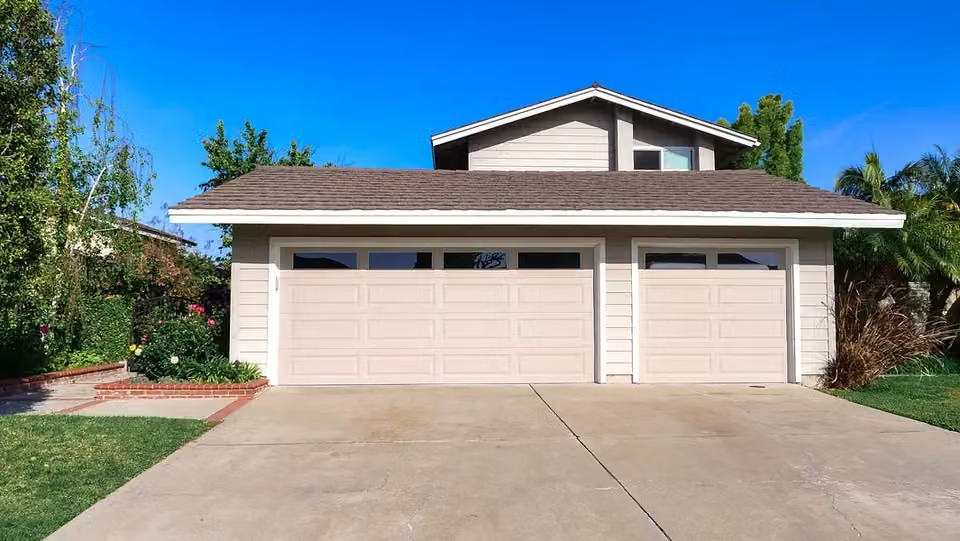
Replacing a garage door isn't just a matter of picking a color and a panel style. Material, insulation, and the opener you pair it with all affect how the door performs for the next fifteen to twenty years — and how much you'll spend heating and cooling the space behind it.
Material and insulation
Steel doors are the most common choice for durability and price, aluminum is lighter and more resistant to rust near the coast, and wood-composite options offer a custom look at a higher price point. Insulation matters just as much as the outer material — an insulated door keeps the garage noticeably more comfortable and can reduce noise from outside.
- 1Steel — durable, low-maintenance, and available in a wide range of styles and price points.
- 2Insulated (polyurethane or polystyrene core) — better temperature control and a quieter ride.
- 3Wood or wood-composite — a premium, custom appearance that requires more upkeep.
Opener and safety features
The opener you pair with a new door matters as much as the door itself. Look for rolling-code technology (so old remotes can't be used to open the door), a battery backup for power outages, and safety sensors that meet current standards. Many newer openers also support app-based control and activity alerts.
"The door gets the attention, but the opener is what actually determines how secure and convenient your garage is day to day."
What a professional installation includes
A proper installation is more than hanging panels. It includes setting the tracks square, balancing the springs to match the exact weight of the new door, calibrating the opener's force and travel limits, and testing every safety feature before the crew leaves. Door-O-Matic installations include a free in-home estimate and are backed by a 2-year parts and labor warranty.
Have a question about your garage door?
Talk to an expertMore from the Door-O-Matic blog
How a new door improves home security
The garage is one of the most overlooked entry points into a home. An outdated door and opener can leave it more vulnerable than most homeowners realize.
Garage door installation NJ: what homeowners should consider before replacing a door
New Jersey's weather and older housing stock both play a role in choosing the right garage door. Here's what local homeowners should keep in mind.
Why garage door maintenance matters for long-term performance
Your garage door is the most-used moving part of your home. A little regular attention goes a long way toward keeping it reliable.