 Door-O-Matic
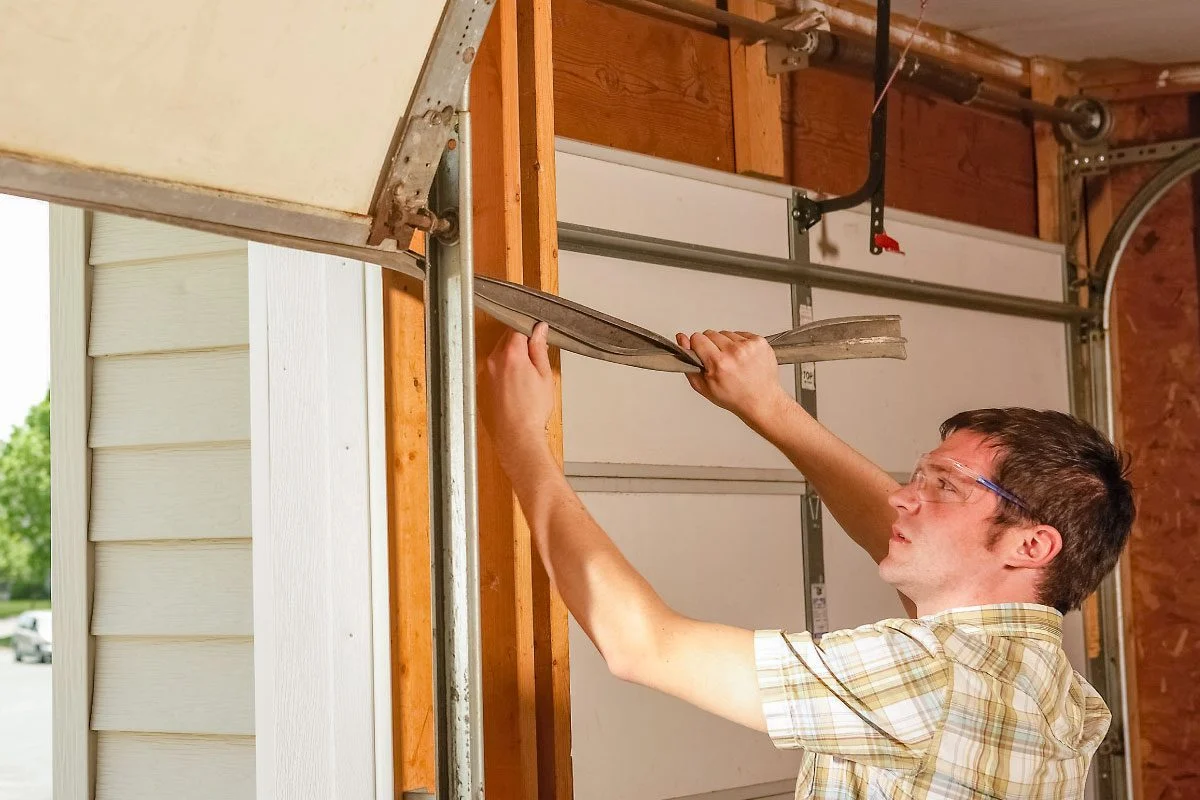
A garage door bottom seal may be a small part of the overall door system, but its condition can affect how well the bottom edge of the garage is protected from outdoor conditions. Over time, repeated opening and closing, changing temperatures, moisture, and normal wear can leave the seal compressed, cracked, loose, or damaged.
Homeowners may first notice a visible gap under the door. Others may see daylight, dirt, leaves, or moisture entering around the bottom edge. These signs can indicate that the seal is no longer making consistent contact with the floor.
Door-O-Matic Garage Door Services provides professional garage door repair and maintenance services in New Jersey. Its repair services specifically include bottom rubber seal replacement for homeowners dealing with worn or damaged seals.
What Does a Garage Door Bottom Seal Do?
The bottom seal runs along the lower edge of the garage door and creates contact between the door and the garage floor when the door is closed.
Its main purpose is to help close the gap at that moving edge. Depending on the door, floor, and seal design, this barrier can help limit the entry of air, water, dust, leaves, and other outdoor debris.
Weatherstripping is commonly used where building components move. The U.S. Department of Energy explains that weatherstripping is used to seal movable components such as doors and operable windows.
For a garage door, the bottom seal performs a similar sealing role. However, its effectiveness depends on proper fit, the condition of the floor, and the overall garage door system.
Garage Door Bottom Seal Wear Can Become Visible
One of the easiest ways to identify a worn seal is through a visual inspection.
Look at the rubber or flexible material along the bottom of the closed door. A seal that has been exposed to years of movement and weather may show cracks, tears, flattened sections, hardened areas, or missing pieces.
DASMA recommends inspecting weather seals and edges for physical damage such as cuts, holes, compression, and hardening. These conditions can indicate that the sealing material is no longer in its original condition. DASMA's guidance on inspecting door edges provides additional information about this type of wear.
Visible deterioration does not always mean the entire garage door has a problem. In some cases, replacing the worn seal may address the gap while the rest of the door remains serviceable.
1. You Can See Daylight Under the Garage Door
A visible line of daylight beneath a closed garage door is one of the clearest signs that the bottom edge is not sealing evenly.
Small gaps can develop when the seal becomes compressed or damaged. An uneven garage floor can also create spaces that a deteriorated seal can no longer accommodate.
The Department of Energy identifies visible daylight around exterior doors as a common indicator of air leakage when discussing weatherstripping and door sweeps.
If daylight appears only in one area, the problem may involve the seal, the floor, or the way the door is sitting when closed. A professional inspection can help identify the actual cause before replacement work begins.
2. The Rubber Is Cracked, Brittle, or Flattened
A healthy bottom seal should remain flexible enough to create contact with the floor.
Over time, the material can become harder or lose its original shape. Sections may flatten permanently after repeated compression. Cracks can also form as the material ages.
Once this happens, the garage door bottom seal may no longer adapt effectively to small variations along the garage floor.
Rather than waiting for sections to break away completely, homeowners can have the seal inspected when visible deterioration begins to appear.
Door-O-Matic's Garage Door Repair Services specifically include bottom rubber seal replacement, along with other professional garage door repair solutions.
3. Water or Moisture Appears Near the Bottom Edge
Water near the inside edge of a garage door can have several causes. A damaged bottom seal is one possibility.
Rain driven toward the garage, melting snow, drainage conditions, floor slope, or gaps beneath the door may contribute to moisture entering the space. Because several factors can be involved, replacing the seal should not automatically be assumed to solve every water problem.
Still, if the existing seal is visibly torn, missing, or no longer touching the floor, it is worth evaluating.
A properly fitted seal can help improve the barrier along the bottom edge when the door is closed.
4. Dirt, Leaves, and Debris Keep Entering the Garage
Outdoor debris entering beneath a closed garage door can be another sign of a poor seal.
Leaves, dust, small particles, and wind-driven debris can pass through gaps where the bottom seal no longer maintains contact with the floor.
This issue may be especially noticeable after windy weather or during seasonal changes.
Replacing a damaged seal can help restore better contact along the bottom edge. However, technicians should also check whether the door is closing evenly because an alignment or floor issue can produce similar symptoms.
5. The Seal Is Pulling Away From the Door
Sometimes the material itself remains relatively flexible, but parts of it begin separating from the bottom of the door.
A loose section may hang down, shift when the door moves, or leave part of the opening exposed.
Ignoring a partially detached seal can allow additional wear to develop. The loose material can also stop forming consistent contact with the garage floor.
A technician can inspect both the seal and the retaining system to determine whether the existing material can be secured or whether replacement is more appropriate.
6. The Garage Feels Draftier Near the Door
Air movement near the closed door can indicate gaps around the garage opening.
Weatherstripping is widely used to reduce air infiltration through movable building components. The Department of Energy recommends weatherstripping as one method for reducing air leakage around doors.
For garages, the impact on overall home energy performance varies. An attached conditioned space and an unconditioned detached garage have very different building-envelope considerations.
Therefore, homeowners should view the bottom seal primarily as one component of the garage door's weather barrier rather than assume that replacement will produce a specific level of energy savings.
Why the Right Replacement Seal Matters
Garage door bottom seals are not necessarily universal.
The correct replacement can depend on the door design, retainer, dimensions, and condition of the garage floor. Choosing a seal only by appearance may result in a poor fit.
Installation also needs to allow the door to close properly. Weatherstripping should improve sealing without interfering with normal door movement. Department of Energy installation guidance for exterior doors similarly emphasizes preventing air infiltration while maintaining proper operation.
Professional service can help determine the appropriate fit and confirm that the garage door continues to open and close correctly after replacement.
A Damaged Seal May Not Be the Only Problem
A gap under the garage door does not always come from the seal.
An uneven floor, door alignment problem, damaged track, worn hardware, or incorrect closing position may change how the bottom edge meets the ground.
Simply installing thicker material may hide the symptom without addressing the underlying problem.
This is why inspection matters. A technician can evaluate how the door closes before deciding whether garage door bottom seal replacement is the correct solution.
If other components need attention, they can be addressed as part of a broader garage door service rather than treating the seal in isolation.
Include the Bottom Seal in Routine Garage Door Maintenance
The bottom edge is easy to overlook during normal use. Homeowners often pay more attention to the opener, springs, or tracks until they notice a visible gap.
Adding the seal to regular visual inspections can help catch deterioration earlier.
DASMA recommends monthly safety checks and maintenance for garage door systems, along with an annual visit from a trained door systems technician to support safe and smooth operation.
Door-O-Matic also offers Garage Door Maintenance Plans focused on equipment lifespan, safety, performance, reliability, and preventive care.
Checking seals alongside other components can make weather-related wear part of the overall maintenance process.
Know When It Is Time to Replace the Garage Door Bottom Seal
A bottom seal does not need to look completely destroyed before it deserves attention.
Visible daylight, cracks, hardened rubber, missing sections, recurring debris, moisture near the door, or material pulling away from the bottom edge can all justify an inspection.
The next step should be identifying whether the seal itself is worn or whether another garage door issue is creating the gap.
Once the cause is clear, replacing a deteriorated seal can help restore better contact between the closed garage door and the floor.
Have a question about your garage door?
Talk to an expertMore from the Door-O-Matic blog
Why garage door maintenance matters for long-term performance
Discover how routine garage door maintenance can support safer operation, reduce wear, and help prevent unexpected repairs.
Garage door sensor repair: why your door won't close properly
Learn why safety sensors can keep your door from closing and when professional service is the right next step.